dk19is055

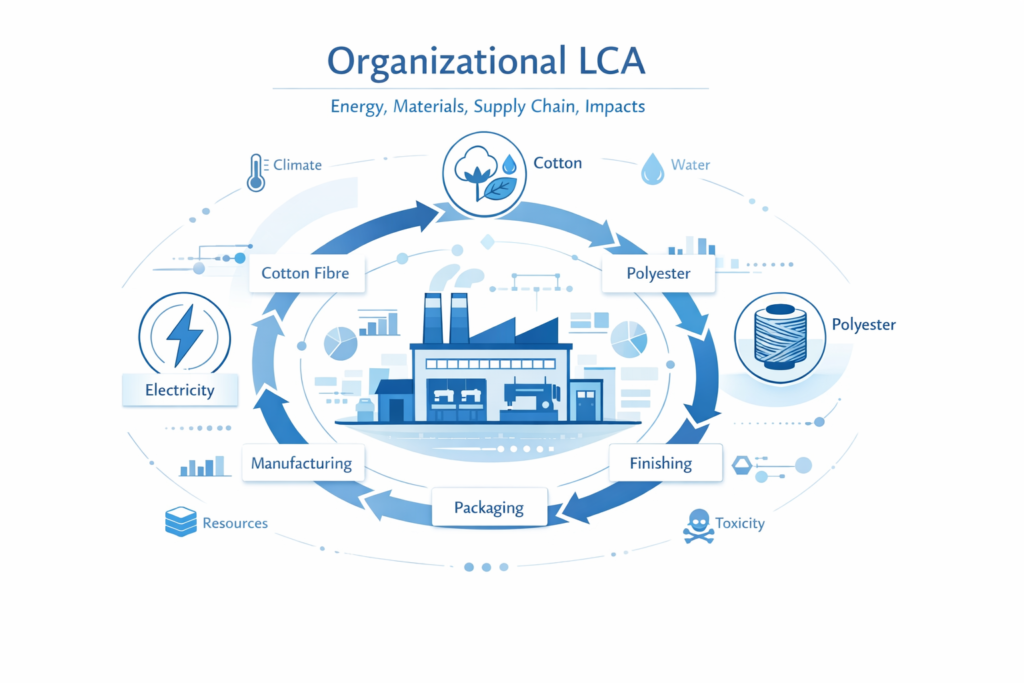
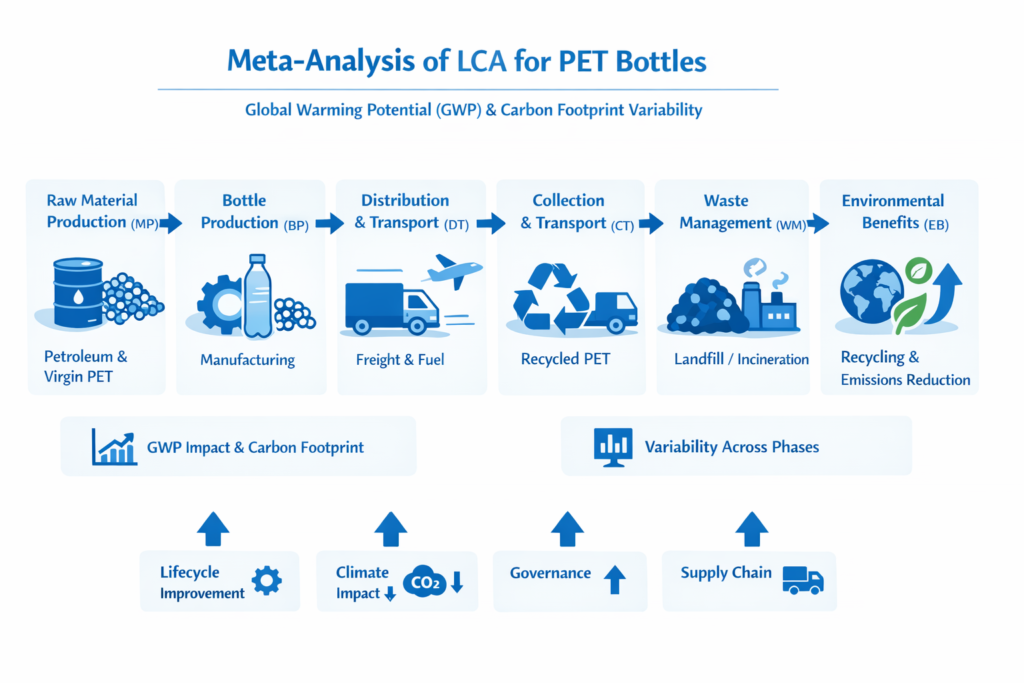
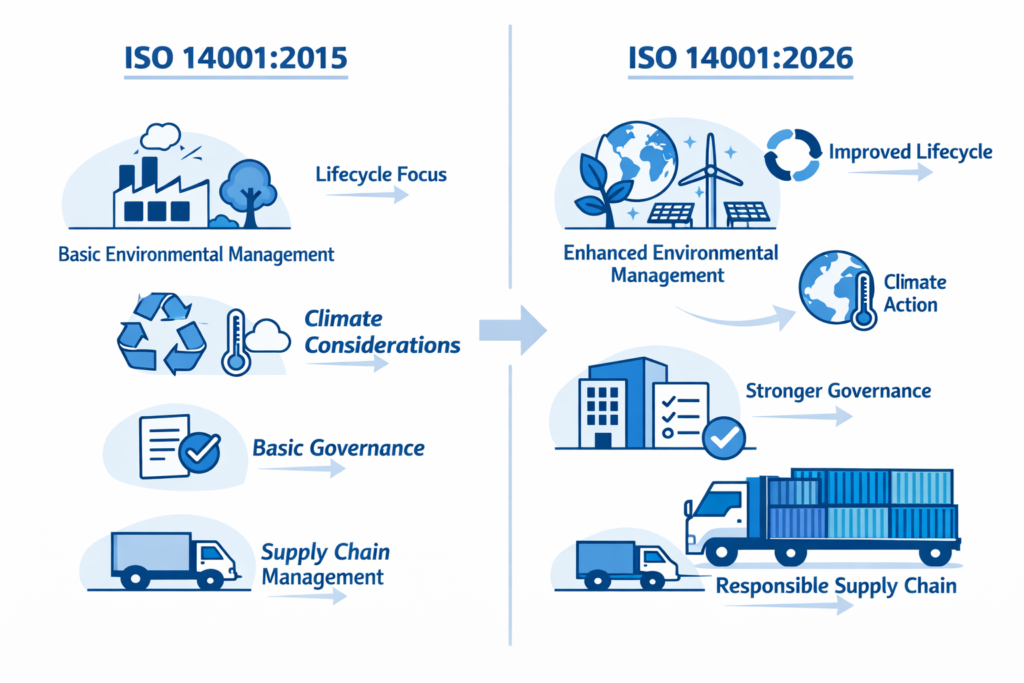
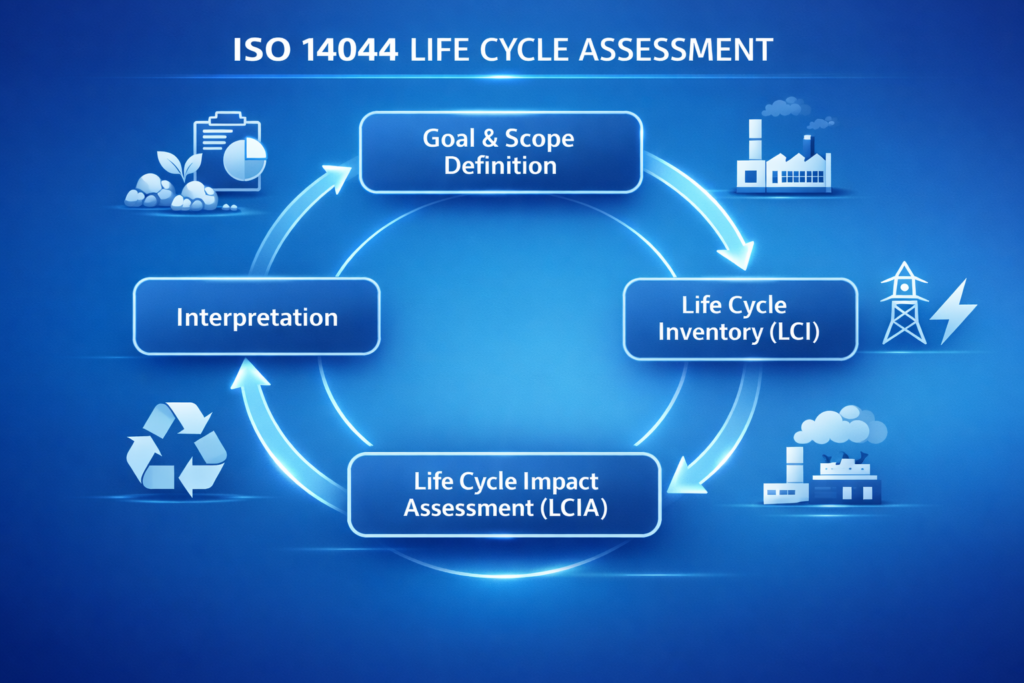
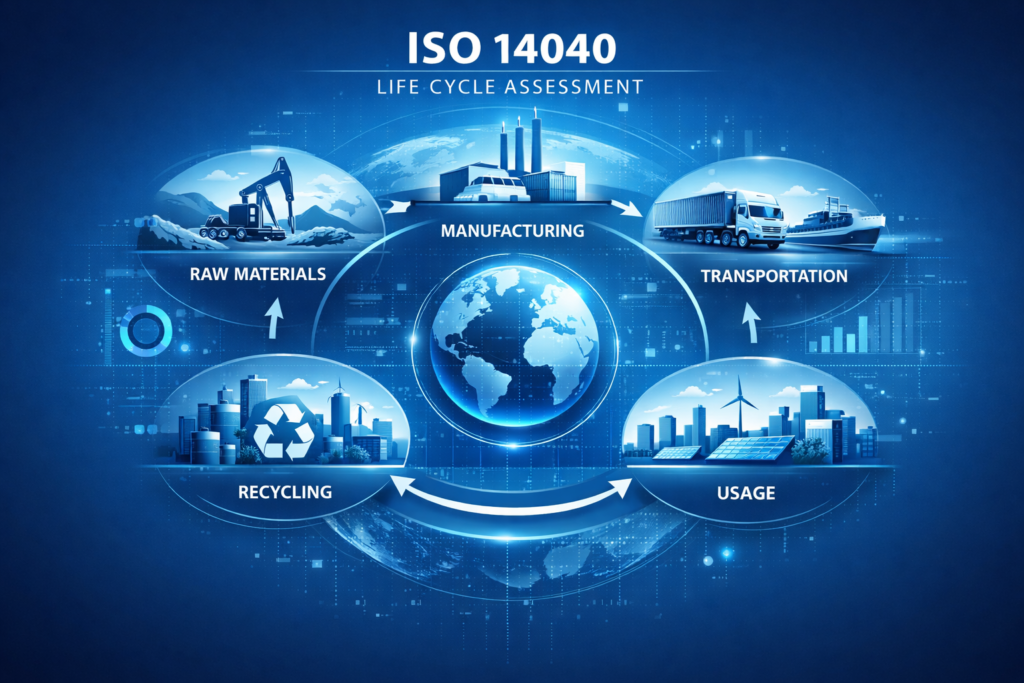
Life Cycle Assessment (LCA) and ISO 14040: Transforming Environmental Data into Sustainable Business Strategy

Why Understanding Product Life Cycles Matters Today Over the past few decades, environmental awareness has expanded far beyond governments and environmental organizations. Businesses, regulators, investors, and even everyday consumers now want to understand how products affect the environment—not just during use, but across their entire journey. Today, questions such as “Where do raw materials come …

Life Cycle Assessment (LCA) and ISO 14040: Transforming Environmental Data into Sustainable Business Strategy Read More »

The Key Drivers of Sustainable Procurement

Introduction Sustainable procurement means looking beyond price and quality to include environmental and social factors when buying goods and services. It’s a strategic approach that aligns a company’s supply chain with wider goals like environmental protection and social responsibility. In practice, embracing sustainable procurement can build brand value, satisfy eco-conscious customers, drive innovation, and strengthen …

The Key Drivers of Sustainable Procurement Read More »

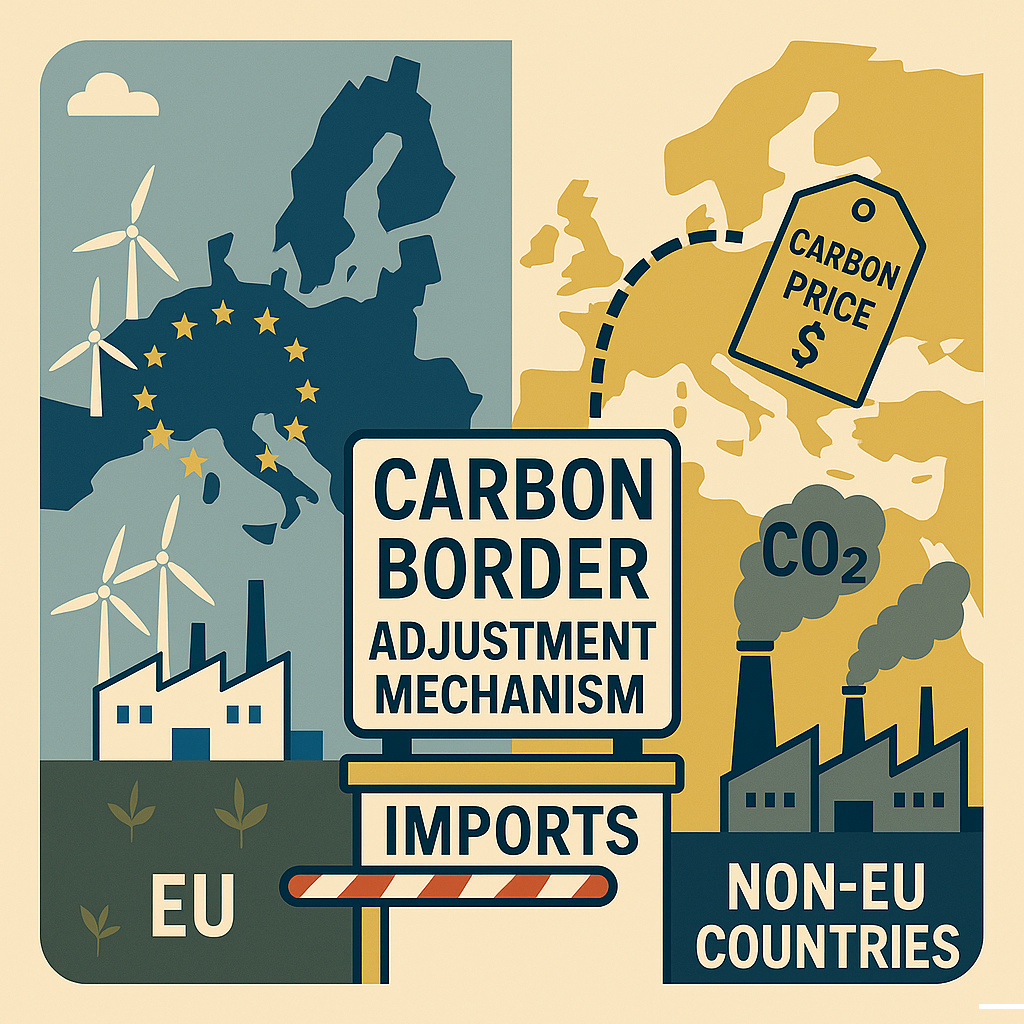
Understanding the EU Carbon Border Adjustment Mechanism (CBAM) and Its Implications for India

Introduction: The European Union’s Carbon Border Adjustment Mechanism (CBAM) is a pioneering climate policy tool that reflects the EU’s commitment to achieving climate neutrality by 2050. By placing a carbon price on certain imports, CBAM seeks to prevent “carbon leakage”—a phenomenon where companies move production to countries with less stringent emissions rules—and ensure that climate …

Understanding the EU Carbon Border Adjustment Mechanism (CBAM) and Its Implications for India Read More »

ISO 20400 and Sustainable Procurement for Net-Zero Ecosystems

Introduction Global sustainability targets – such as limiting warming to 1.5°C by 2050 – are now mainstream business drivers. Achieving net-zero emissions requires not only cutting an organization’s direct (Scope 1 and 2) emissions, but also transforming its supply chain. In fact, procurement accounts for the lion’s share of many companies’ footprints: studies find that roughly 70–99% of …

ISO 20400 and Sustainable Procurement for Net-Zero Ecosystems Read More »

CO₂ Emissions: Direct Measurement vs Activity‑Based Calculation

Introduction Accurate measurement of carbon dioxide (CO₂) emissions is crucial for regulatory compliance and climate initiatives. Two primary approaches are used in industry: direct measurement through Continuous Emissions Monitoring Systems (CEMS), and activity-based calculation methods using data like fuel consumption and emission factors. Below, we compare these methods, highlighting their accuracy, cost, real-time capabilities, treatment …

CO₂ Emissions: Direct Measurement vs Activity‑Based Calculation Read More »

Navigating Data Availability and Disclosure Rules in Europe for Emissions and Sustainability

Introduction As businesses face growing pressure to decarbonize and improve sustainability, data availability and transparency have become critical factors. In Europe, regulatory frameworks are evolving to ensure that companies disclose emissions and sustainability-related data in a standardized and transparent manner. This blog explores key regulations, their impact on businesses, and how organizations can navigate these …

Navigating Data Availability and Disclosure Rules in Europe for Emissions and Sustainability Read More »

Who Decides SBTi Regulations and Why They Matter for Business?

Introduction In the race against climate change, businesses worldwide are being urged to decarbonize. But how do they know what targets to set? Enter the Science-Based Targets initiative (SBTi)—the global authority guiding companies in aligning their emissions reductions with climate science. But who decides these regulations? What makes SBTi’s framework so important? And why should …

Who Decides SBTi Regulations and Why They Matter for Business? Read More »

Understanding SBTi’s FLAG Pathways: A Guide for Carbon Management in the Food Industry

As the urgency to combat climate change intensifies, companies across all sectors are under increasing pressure to set ambitious climate targets aligned with the 1.5°C goal. For businesses in land-intensive industries such as agriculture, food, and forestry, the Science Based Targets initiative (SBTi) has introduced Forest, Land, and Agriculture (FLAG) Pathways — a sector-specific framework …

Understanding SBTi’s FLAG Pathways: A Guide for Carbon Management in the Food Industry Read More »

Harnessing Scenario Analysis for Effective Carbon Emission Management

In an era where sustainability is more than just a buzzword, businesses must adopt proactive strategies to meet increasingly stringent environmental regulations and consumer expectations. One powerful tool leading this charge is Scenario Analysis—a method that allows organizations to model various sustainability strategies, forecast potential outcomes, and make informed decisions for long-term success. What is …

Harnessing Scenario Analysis for Effective Carbon Emission Management Read More »